Legal
15 July 2025
Parliament Debates 'Martyn's Law' to Enhance Public Safety
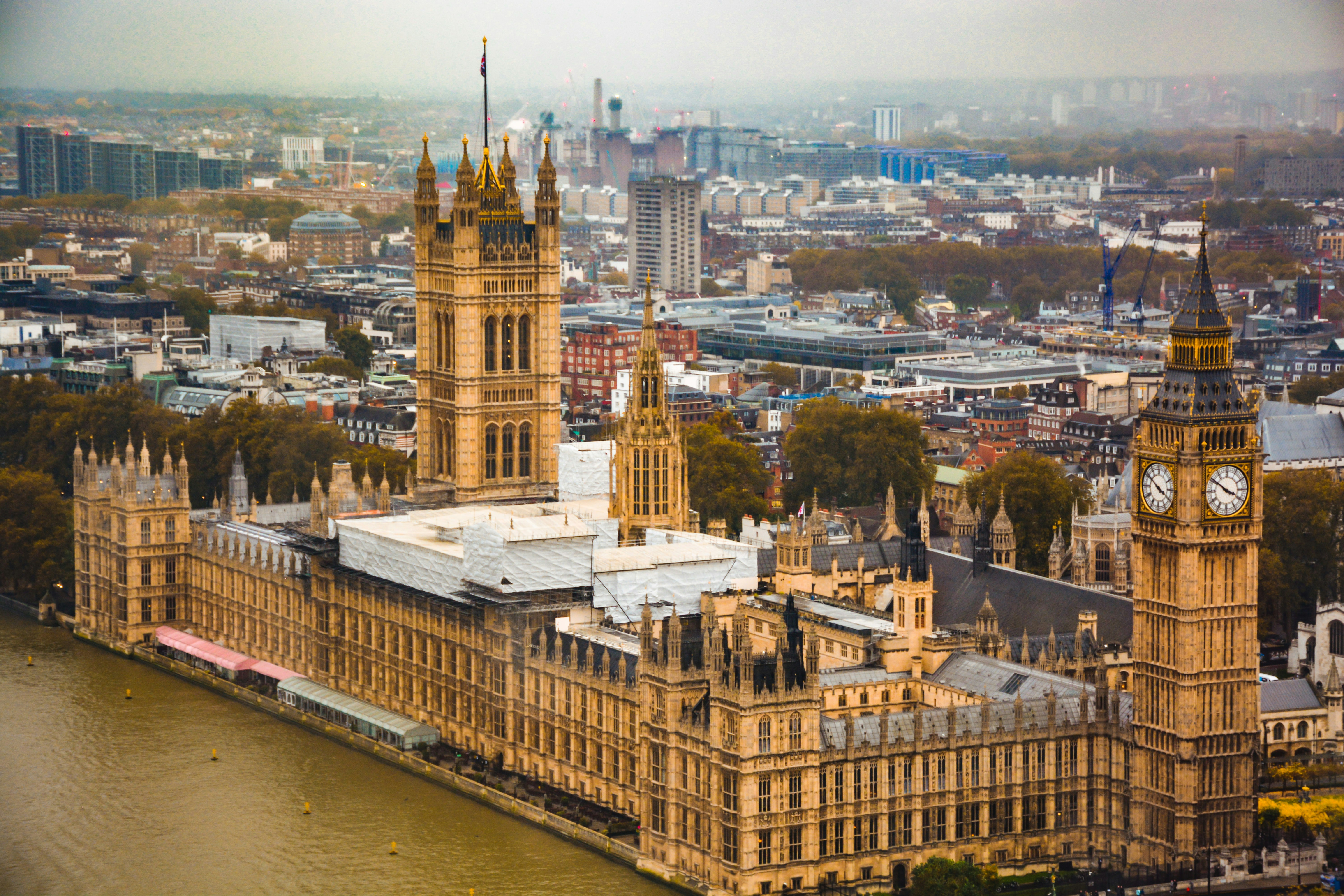
Parliament Debates 'Martyn's Law' to Enhance Public Safety
UK Parliament members have started debating Martyn's Law, a groundbreaking bill that aims to improve public venue security across the country. The new Terrorism (Protection of Premises) Bill marks a crucial advancement in protecting citizens from terrorist threats. This proposed law, also called the Protect Duty Bill, emerged after the devastating Manchester Arena bombing in 2017.
The bill creates security procedures and risk assessment rules for venues of all sizes in the UK. Venue operators must now implement protective security measures under the Security Industry Authority's supervision. They need to complete risk assessments and train their staff properly. The legislation has got strong support from all political parties. It builds on extensive input from security experts, business owners, and Figen Murray, who has fought for these changes since she lost her son Martyn in the Manchester attack.
Background of Martyn's Law
A suicide bomber's attack at Manchester Arena on May 22, 2017 changed UK venue security forever. The attacker detonated an improvised explosive device that killed 23 people, including himself. This devastating incident became the deadliest terrorist attack in the UK since the 2005 London bombings [1].
Manchester Arena attack and its effects
Investigations after the attack uncovered serious gaps in public venue security. The whole ordeal revealed a startling reality - the UK had nearly 650,000 crowded places, but the state's counter-terrorism experts provided direct support to only 0.2% of these venues [2]. Security officials responded with swift changes that included better CCTV coverage, more thorough risk assessments, and security dogs on patrol [3].
Figen Murray's campaign
Figen Murray OBE launched a determined campaign for legislative change after her son Martyn Hett's death. Her key initiatives included:
Making security procedures mandatory in public venues
Working with defense and security industry representatives
Raising awareness about the lack of standardized security measures [2]
Murray's campaign grew stronger when she found that venue security was just a recommendation and not a legal requirement [4]. She walked 200 miles from Manchester to London and showed her dedication to prevent such tragedies from happening again [5].
Government's commitment to public safety
The government launched extensive consultations in February 2021 to address public safety concerns [1]. Their proposed legislation strikes a balance between public protection and business needs [6]. The Home Office worked closely with Martyn's Law campaign team, security partners and local authorities. This collaboration helped create practical security measures that work for venues of all sizes [6].
Key Provisions of the Bill
This Terrorism (Protection of Premises) Bill establishes complete security measures with a clear framework to safeguard public spaces throughout the United Kingdom.
Tiered approach based on venue capacity
The legislation creates a two-tier system that depends on venue capacity. Standard duty premises can hold between 200 and 799 people. Enhanced duty premises serve larger crowds of 800 or more [7]. This practical system will give a balanced set of security measures that match the venue's size and potential risks [6].
Requirements for standard and enhanced duty premises
Standard duty premises must follow basic security procedures that include:
Notification to the regulator about their premises
Implementation of public protection procedures
Staff training for emergency response
Evacuation and lockdown protocols [7]
Enhanced duty premises need complete security measures and proper documentation. These venues must use monitoring systems inside and around their premises and keep detailed records of security procedures [7]. The requirements emphasize affordable solutions, and standard tier venues focus on changing procedures instead of installing physical security systems [6].
Role of the Security Industry Authority as regulator
The Security Industry Authority (SIA) will serve as the main regulator for Martyn's Law implementation [8]. Their duties cover:
Assessing compliance with security requirements
Issuing notices for non-compliance
Implementing financial penalties when needed
Providing guidance and support to venues [8]
The SIA will get dedicated funding for this new regulatory function, which ensures their existing security licensing duties remain unaffected [9]. This setup will create an enforcement mechanism that keeps the regulator effective in its current roles.
Cross-Party Support and Stakeholder Reactions
The Terrorism (Protection of Premises) Bill has gained widespread support from sectors of all types. Public consultation showed most important backing for improved security measures. The consultation process gathered 2,755 responses from a variety of stakeholders between February and July 2021 [10].
Political consensus on the bill
Public consultation results showed overwhelming support, with over 70% of respondents backing mandatory security measures and staff preparation at venues for potential attacks [10]. Security Minister Dan Jarvis highlighted the government's commitment to enhance public venue security. The bill reflects extensive public input and collaborative efforts [11].
Support from security experts and industry leaders
Matt Jukes, Counter Terrorism Policing's Head, has publicly endorsed the legislation. He emphasizes its significant role to improve public protection at events and venues [11]. Security industry leaders have expressed strong support for:
Professional development in consulting activities
Better protective security measures
More effective emergency response capabilities [2]
Concerns from small businesses and venues
Small venues show broad support but express most important reservations about implementation challenges. Venues with capacities between 100-299 people face several issues:
58% worry about their financial viability
51% see challenges in meeting the requirements
46% think larger venues should handle legal obligations alone [10]
Religious venues and community centers raise specific objections. Only 30% of religious spaces and 33% of community centers back mandatory security rules [10]. The insurance sector questions what it all means for coverage limits and liability issues. These concerns affect event cancelation and public liability policies [12].
Implementation and Future Implications
The Terrorism (Protection of Premises) Bill has completed extensive consultation and legislative scrutiny phases. A well-laid-out timeline will guide its implementation. The Security Industry Authority (SIA) will take on new regulatory responsibilities to oversee this game-changing legislation.
Timeline for enforcement
The law will take effect with a minimum 24-month implementation period after Royal Assent [7]. This timeframe gives venues enough time to really understand their obligations and make the changes needed. SIA will use this period to build its regulatory structure and set up enforcement protocols [7].
Support and guidance for businesses
ProtectUK serves as the central hub for venue operators and provides:
Free expert advice and guidance materials
Specialized security training programs
Counter-terrorism awareness resources
Vulnerability assessment tools [13]
The government delivers detailed support through dedicated statutory guidance. This approach helps venues meet their new obligations without needing specialized expertise [6]. Standard-tier premises can implement affordable and practical security measures with this guidance, especially when they have limited resources [6].
Potential impact on public safety and terrorism prevention
The new legislation tackles a crucial security gap in the UK. Counter-terrorism experts currently support only 0.2% of the country's 650,000 crowded places [2]. The law will make Publicly Accessible Locations take necessary and reasonable steps to reduce the chance of terrorist attacks and minimize possible harm [14].
NaCTSO (National Counter Terrorism Security Office) will make sure everything works through a detailed strategy that has:
Scaled approaches based on venue tiers
Monitoring and evaluation processes
Involvement measurement systems
Compliance tracking mechanisms [14]
The government created a formal Monitoring, Evaluation and Learning (MEL) plan to show clear results and stay transparent [14]. This organized way of doing things will help track how the legislation affects public safety. Security measures will adapt quickly as terrorist threats change [14].
Organizations in the enhanced tier will see major changes in how they operate. They will give employees new duties, run training programs, and practice emergency procedures regularly [14]. These detailed steps will build a more reliable security system throughout UK's public spaces.
Conclusion
Martyn's Law represents a pivotal shift in UK public venue security. It moves away from voluntary guidelines toward mandatory protective measures. This detailed legislation strikes a balance between resilient security needs and practical implementation. The government shows its steadfast dedication to prevent future tragedies while helping venue operators adapt. A tiered system will give venues the right measures based on their size. Strong cross-party backing and stakeholder participation have made the bill more solid and effective.
Venue operators throughout the UK need proper preparation and active involvement to make this law work. They can find detailed guidance and resources from ProtectUK and the Security Industry Authority. Get an assessment of your site now to see what the new law requires from you. These groundbreaking measures will create safer public spaces across the nation. They set new security standards that honor those we lost while keeping future generations safe.
FAQs
What is the main purpose of Martyn's Law?
Martyn's Law, also known as the Terrorism (Protection of Premises) Bill, aims to enhance the United Kingdom's readiness and defenses against terrorism. It mandates that operators of certain venues and events implement feasible public protection strategies and measures based on the venue's capacity.
What does the Protection of Premises Bill entail?
The Protection of Premises Bill is crafted to strengthen the UK's defenses against terrorist threats. It requires those in charge of specific premises or events to adopt appropriate public protection procedures and measures, tailored to the size and capacity of the premises.
What is the primary objective of the proposed UK legislation to improve security at public venues?
The primary objective of the proposed legislation is to heighten security measures at public venues to prevent terrorist attacks. The new laws will compel many public venues to enhance their preparedness for such threats and implement safety measures to protect the public.
References
[1] - https://www.tandfonline.com/doi/full/10.1080/1057610X.2024.2327664
[2] - https://democracy.manchester.gov.uk/documents/s13150/Appendix%201%20-%20Martyns_Law_Final_Report.pdf
[3] - https://www.bbc.co.uk/news/uk-england-manchester-59941842
[4] - https://cie-group.com/how-to-av/videos-and-blogs/martyns-law
[5] - https://www.bbc.co.uk/news/articles/c8xe2k5zylpo
[6] - https://www.protectuk.police.uk/martyns-law/martyns-law-overview-and-what-you-need-know
[7] - https://homeofficemedia.blog.gov.uk/2024/09/13/martyns-law-factsheet/
[8] - https://commonslibrary.parliament.uk/research-briefings/cbp-10111/
[9] - https://www.gov.uk/government/news/martyns-law-statement-from-the-sia
[10] - https://www.gov.uk/government/publications/terrorism-protection-of-premises-bill-2024-impact-assessment/terrorism-protection-of-premises-bill-impact-assessment-accessible
[11] - https://www.gov.uk/government/news/martyns-law-introduced-to-parliament-to-better-protect-the-public-from-terrorism
[12] - https://www.commercialriskonline.com/insurers-warned-against-a-knee-jerk-reaction-to-martyns-law/
[13] - https://www.protectuk.police.uk/
[14] - https://alchemmy.com/martyns-law-the-context-and-challenges-of-implementing-the-mandatory-protect-duty/